Treasure Coast Sliding Door Repair
LICENSED • INSURED • 15+ YEARS
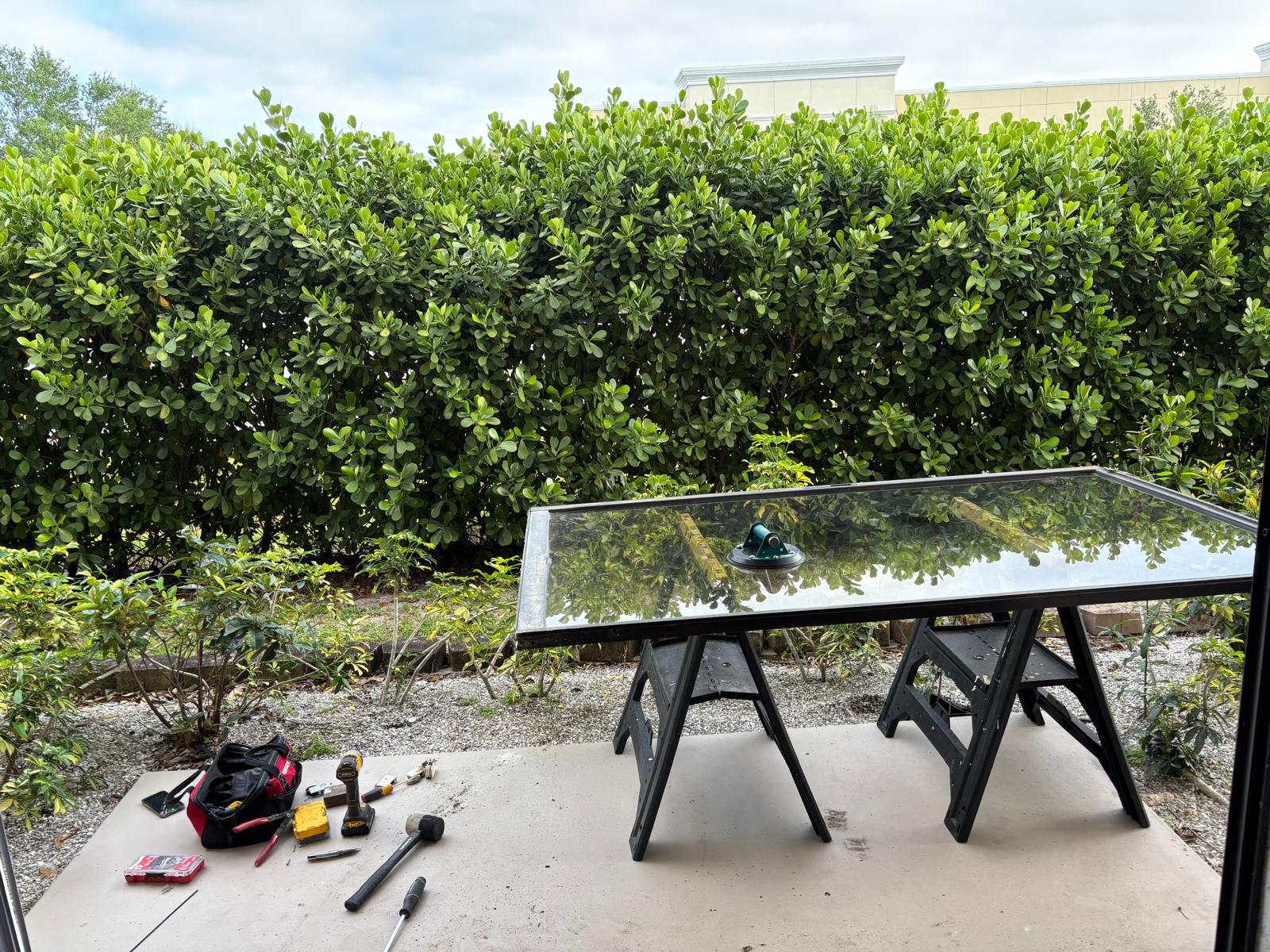
Restaurant patio systems. Treasure Coast restaurants increasingly use large sliding door systems to create open-air dining experiences. These doors open and close multiple times per service as staff and customers move between indoor and patio seating. The hardware must handle this cycle frequency while maintaining smooth operation that customers expect from an upscale dining environment.
Retail storefronts. Glass sliding doors in retail locations serve as the first impression for customers. A sticking, grinding, or misaligned door signals neglect and discourages entry. Commercial-grade rollers and regular maintenance keep storefront doors operating smoothly and silently.
Hotels and resorts. Guest room sliding doors to balconies, pool deck access doors, and lobby entrance systems all require reliable operation. A guest who cannot open their balcony door generates a maintenance call and a negative review. Proactive maintenance prevents these issues.
Office buildings. Conference room dividers, outdoor break area access, and building entrance systems using sliding glass doors require hardware rated for commercial duty cycles.
Commercial sliding doors require hardware specifically rated for high-cycle applications. Where a residential door might open and close 10 times daily, a commercial door may cycle 100-500 times. Residential rollers rated for 10,000 cycles will fail within months in a commercial application that demands hardware rated for 100,000+ cycles.
We install commercial-grade tandem rollers with sealed bearings rated for minimum 100,000 cycles. Commercial tracks use thicker-gauge aluminum or stainless steel that resists the wear from higher traffic. Commercial locks use hardened steel internal components that maintain engagement force after tens of thousands of lock-unlock cycles.
The Americans with Disabilities Act requires that sliding doors in commercial settings operate with no more than 5 pounds of force. A door with worn rollers that requires 15-20 pounds of force to open is not just inconvenient - it is an ADA violation that exposes the business to legal liability. Properly maintained rollers and tracks keep the operating force well within ADA requirements.
Our commercial maintenance contracts include scheduled quarterly inspections, proactive roller and track service, and priority emergency response for unplanned failures. Quarterly service catches problems before they cause door failure - a worn roller replaced during a scheduled visit prevents a stuck door during peak business hours. Contract customers receive priority scheduling for emergency calls, with a target response time of under two hours during business hours.
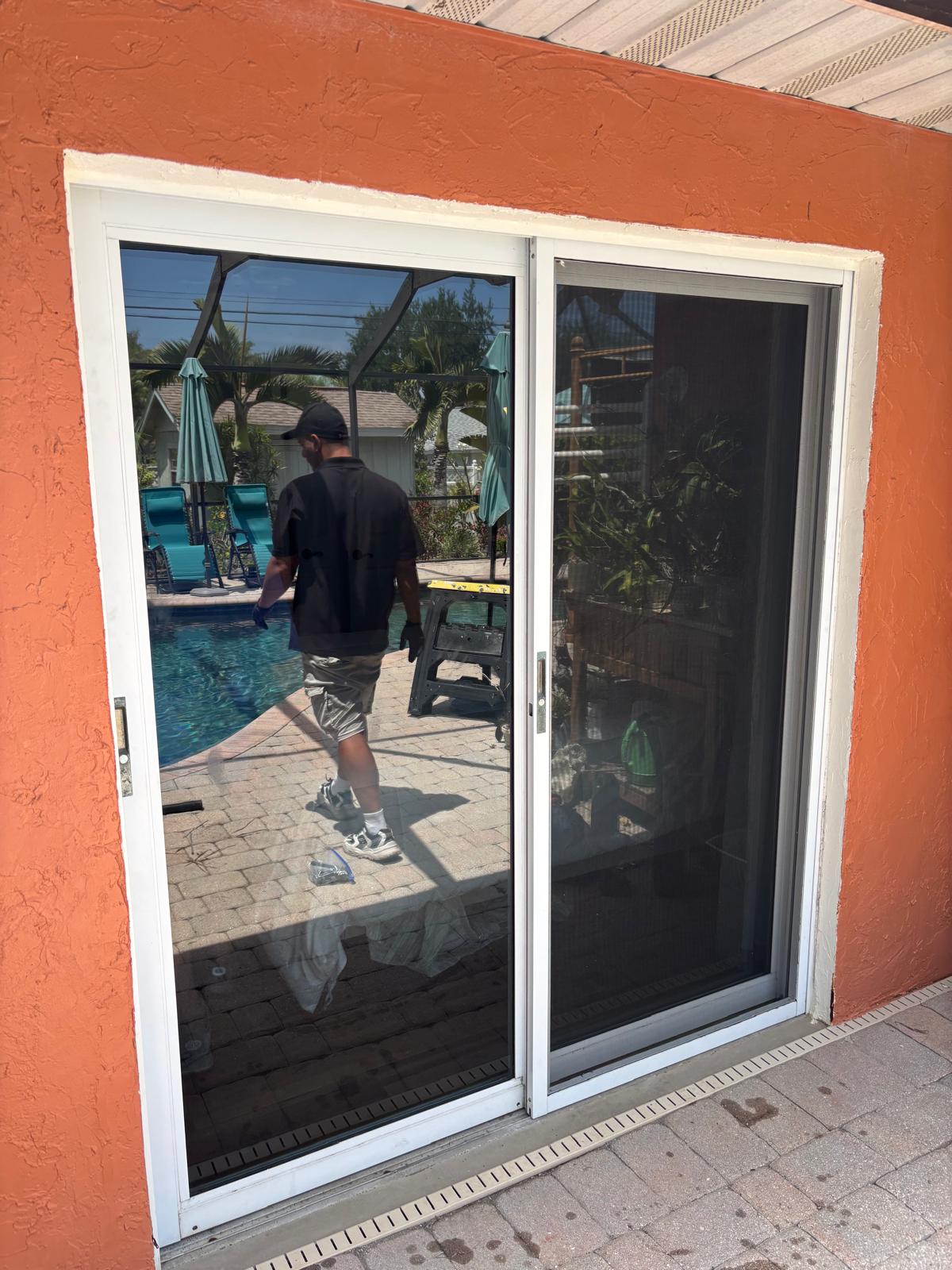
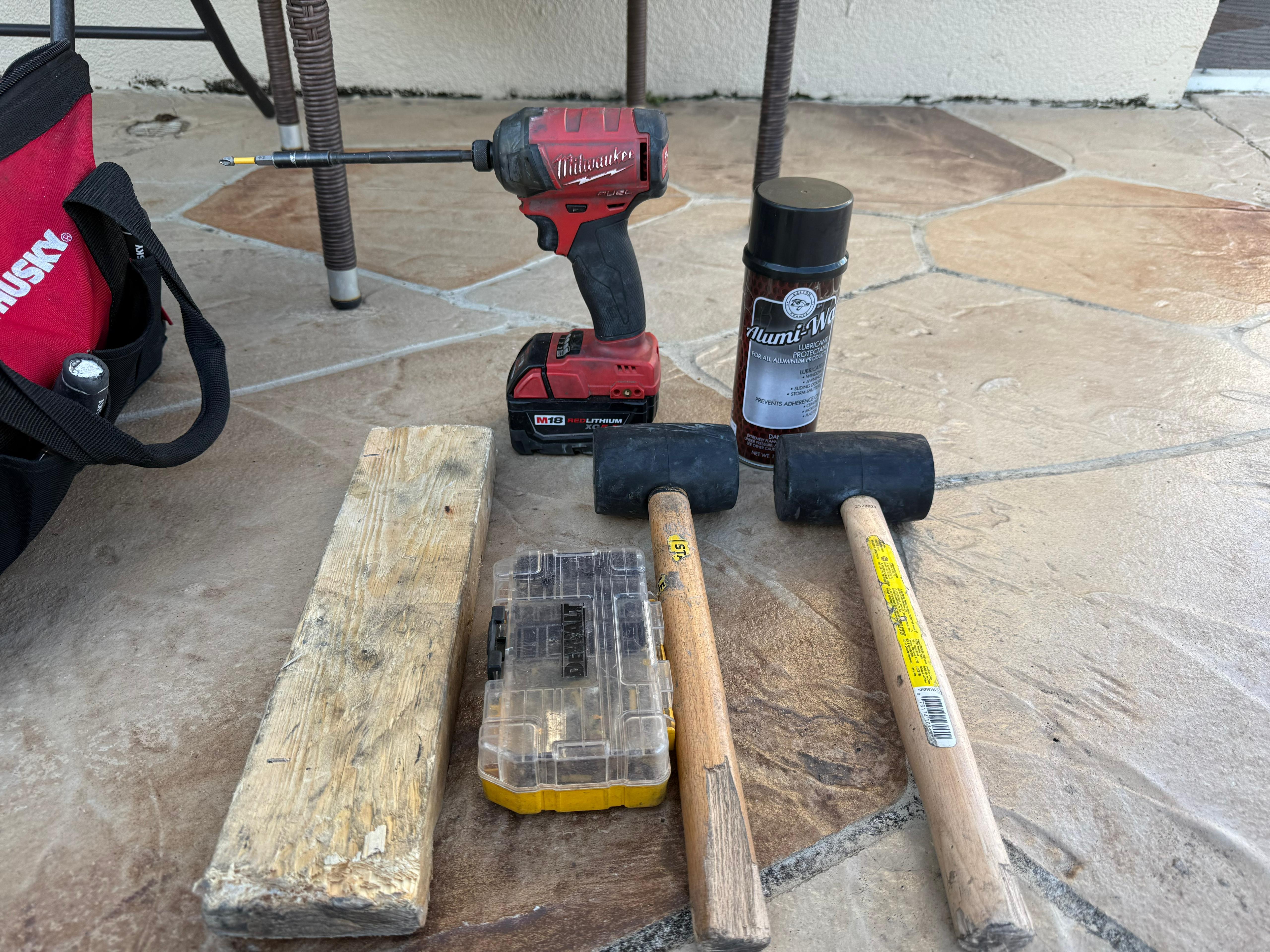
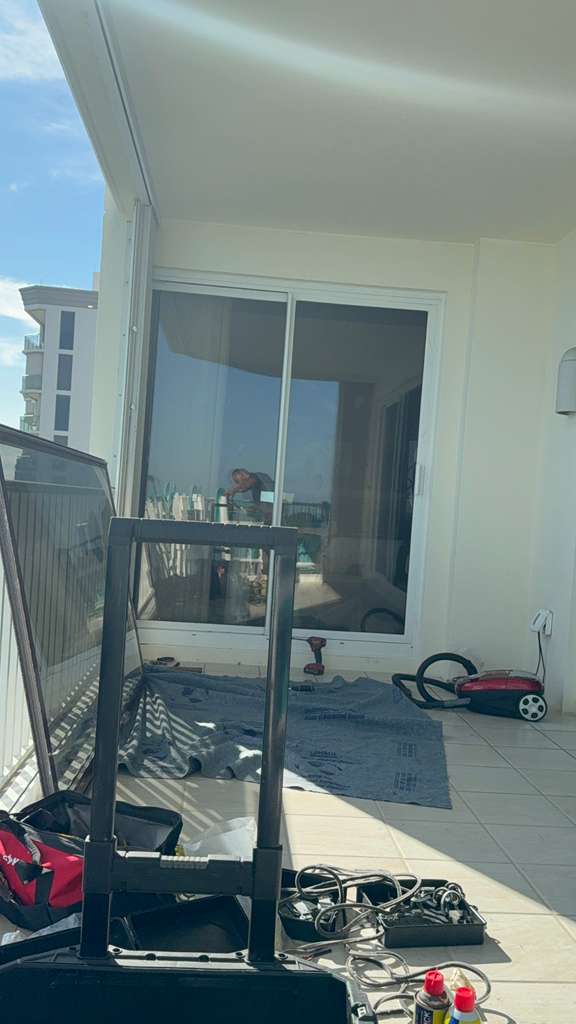
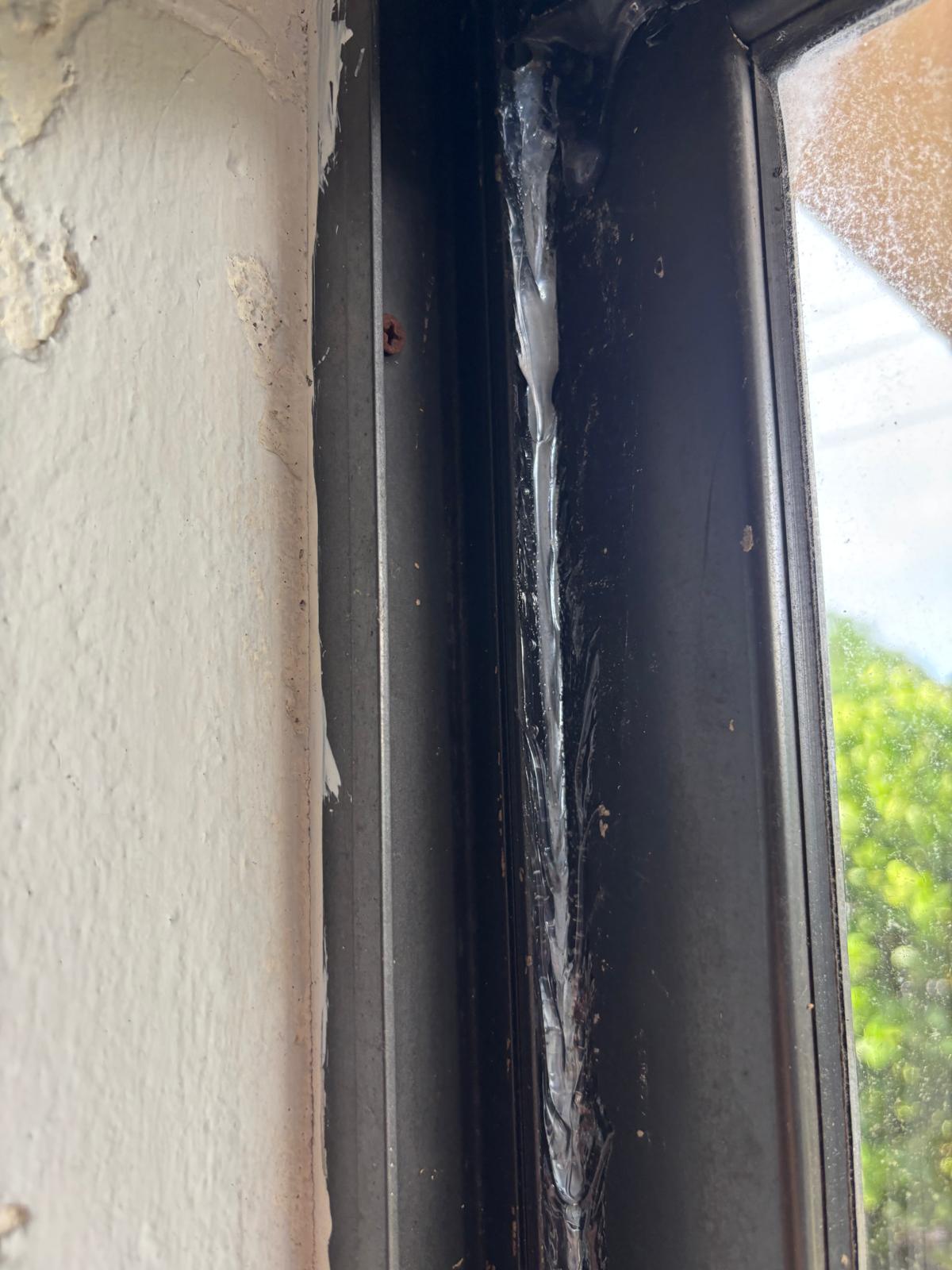
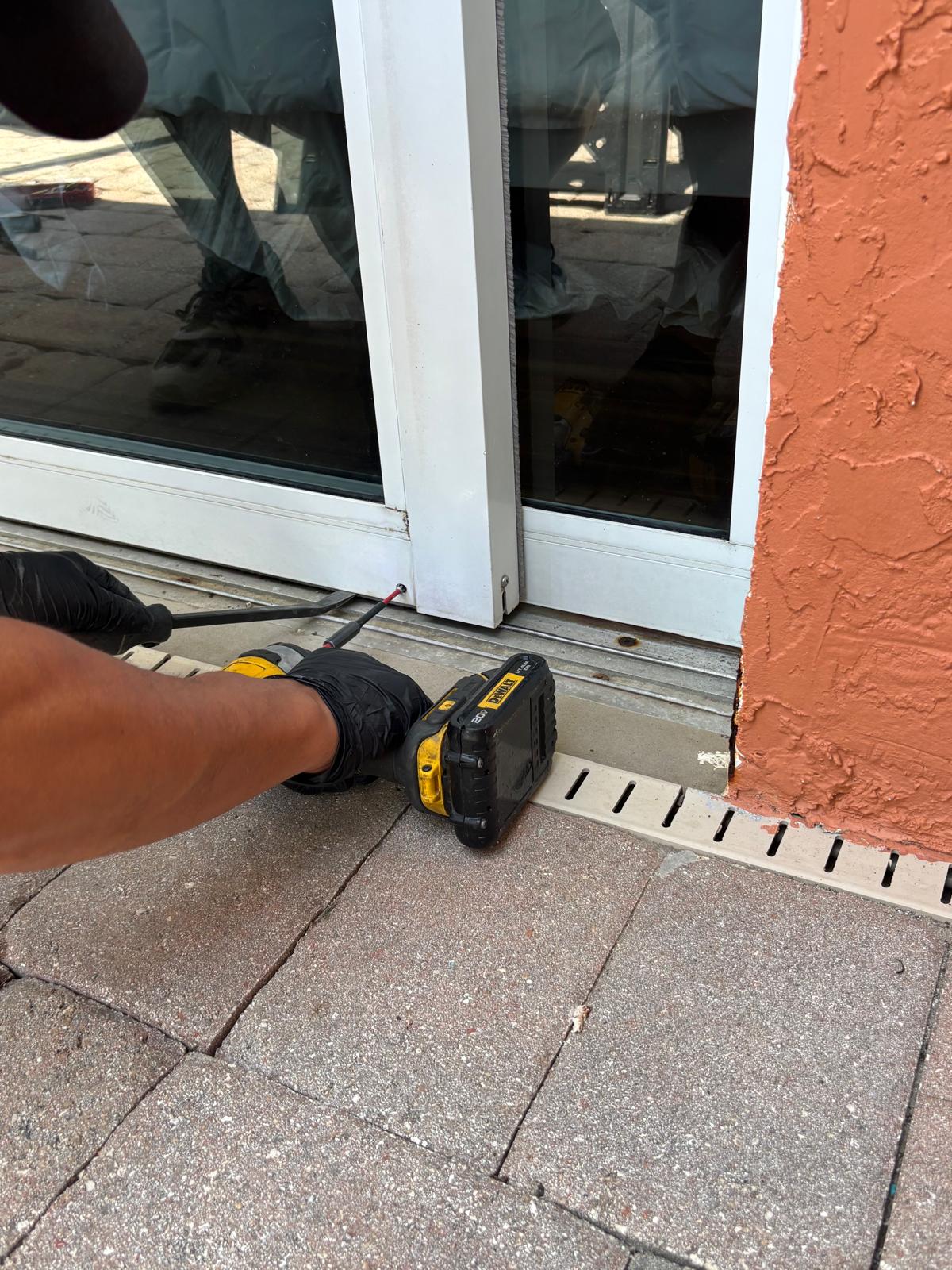
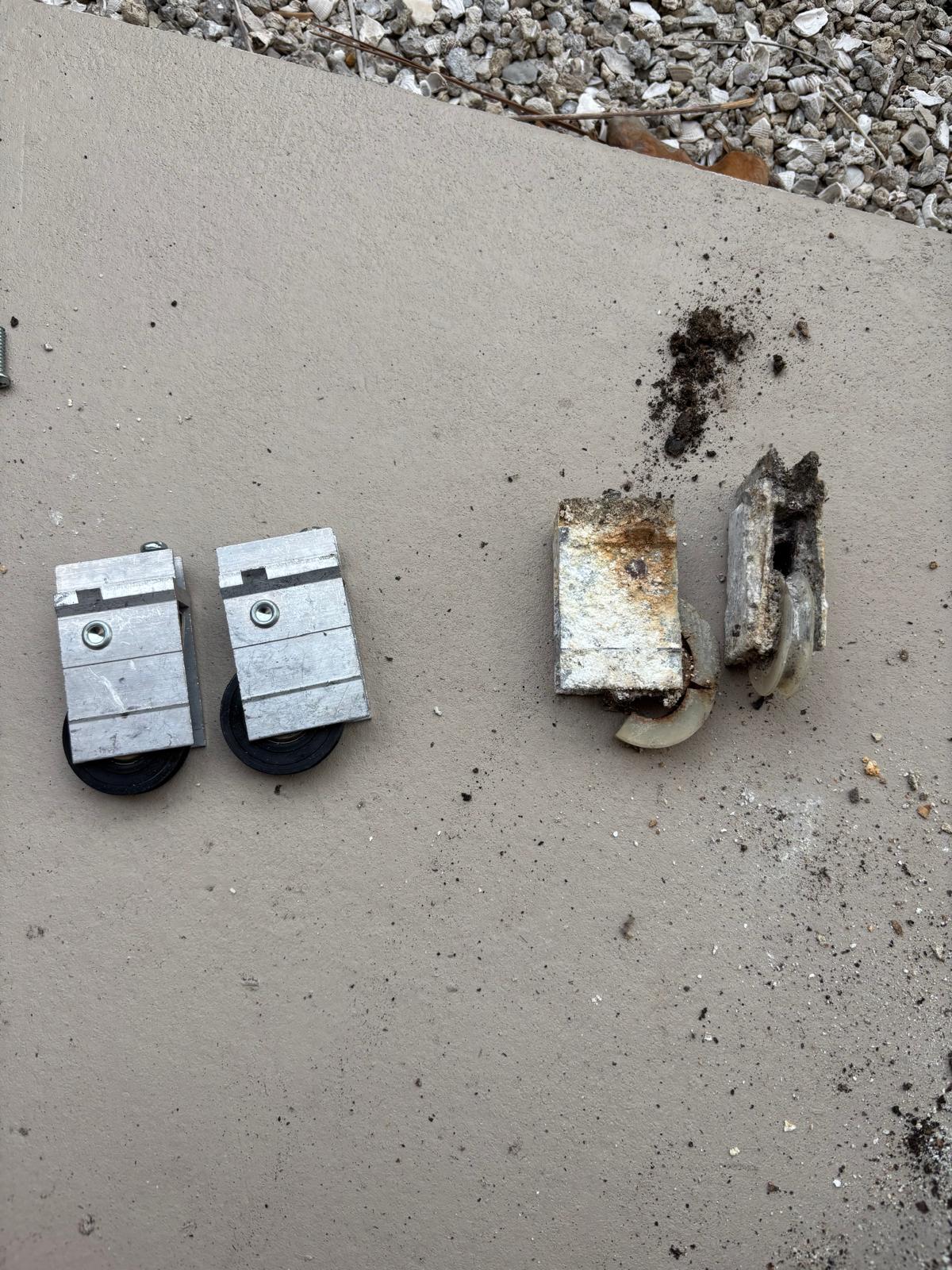
High-cycle commercial hardware for Treasure Coast restaurant patio sliding door systems. Smooth, quiet operation for upscale dining.
Silent, effortless commercial door operation that creates a positive first impression. Commercial-grade rollers and track service.
Ensure your commercial sliding doors meet the ADA maximum 5-lb operating force requirement. Non-compliance creates legal liability.
Quarterly commercial door inspection and proactive service. Prevent failures before they disrupt your business.